




What materials do I need to make a water bottle bong?
For a functional water bottle bong, there are surprisingly simple and ubiquitous materials. Experiment with using a plastic water bottle as your primary chamber—Gatorade bottles, SmartWater bottles, and common disposable plastic bottles work quite well because they are durable and easily reworked. Additionally, you’ll need a glass downstem (the tube that slips down into the water). I prefer to buy a ready-made one at my local supermarket, which saves a lot of time.
Besides that, a glass bowl or slide piece is key, then connects to the downstem and holds the material. Rubber grommets in the right size (usually 14mm or 10mm, depending on the diameter of your downstem) are key to forming an airtight seal between the downstem and the bottle hole: available at hardware stores like Home Depot or Lowe’s.
Of course, you can also choose some practical accessories, as I did, such as rubber tubing for the nozzle and markers, which can help you locate the air holes before drilling them.
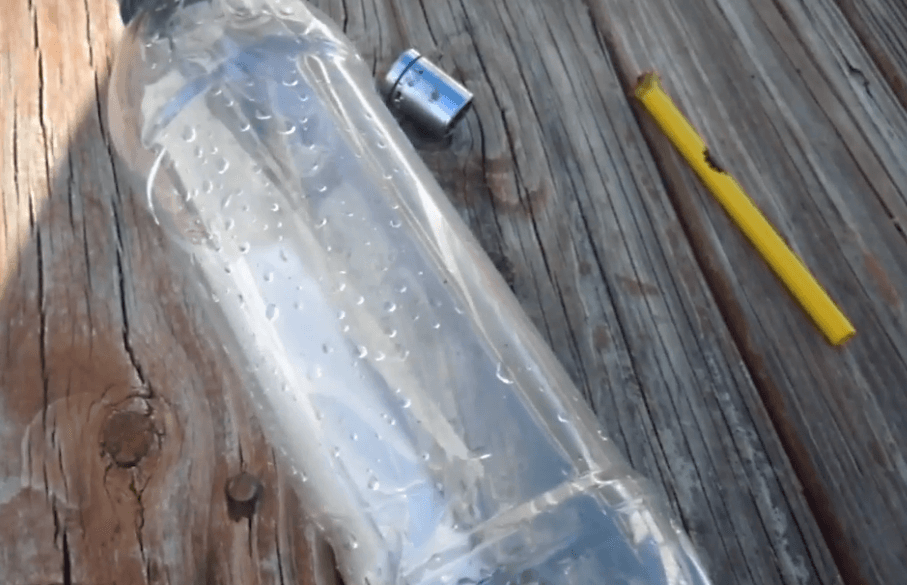
How do I make a hole in the plastic bottle without cracking it?
Put a nail or straightened wire hanger in pliers and heat its tip red-hot over a lighter or stove flame, then carefully slip it into the plastic bottle to melt an exact hole without cracking the fragile material. Local heat from this thermal treatment vaporizes plastic in a way that it has smooth and resistant edges, thus preventing hard-core stress fractures that can result from cold punching.
Tape Reinforcement Against Cracking
Use high-quality masking or electrical tape over the drilling spot to maintain plastic, and then punch down underneath the surface to reduce initial cracking, which allows cleaner edges on the final hole due to the cutting holes. The adhesive layer absorbs vibration and micro-fractures so as not to spread throughout the tool at entry and is resistant to cracking in a non-static medium, and specifically sticks on thin, fine PET bottles. Post-hol, we get out the tape for an inspection, reapplying it again if there is a minor burr for additional smoothing.
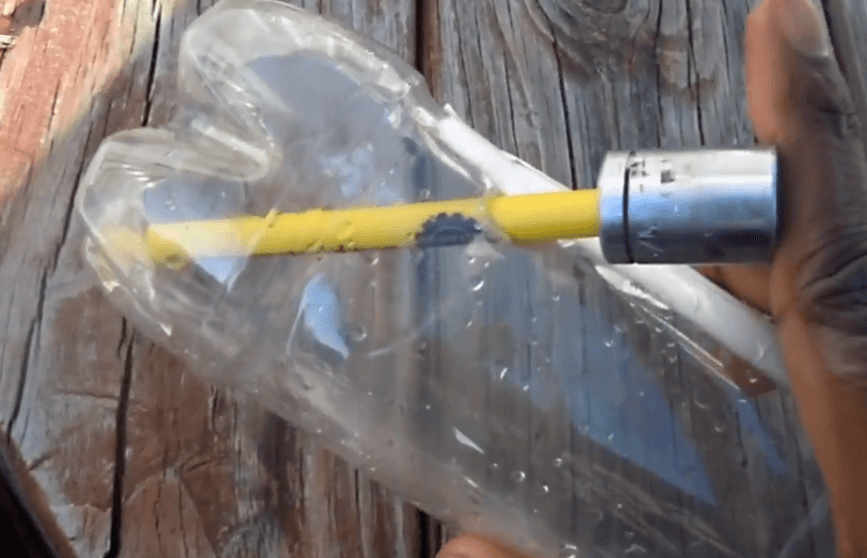
If you prefer, you can opt for a safer solution: A hot glue gun. Remove a glue stick from a hot glue gun and open its exposed, superheated metal nozzle to melt plastic down through it exactly, a control of heat for safer indoor crafting without a burning flame for the wood. Preheat the gun to a temperature of 105-200°C, twisting gently to open holes, carefully not letting it overheat and twist corners. This hack makes use of standard tools and results in professional-grade openings suitable for downstems or carbs.
How do I seal the downstem hole to make it airtight?
Overall airtightness is what we would need to have after the whole assembly is completed. Weed bongs require a strict seal for the pot. Poor sealing can produce large evacuation forces that bring in too much air, and by the time evacuating, the bong steam in the water is diluting and dispersing before it can fully gather.
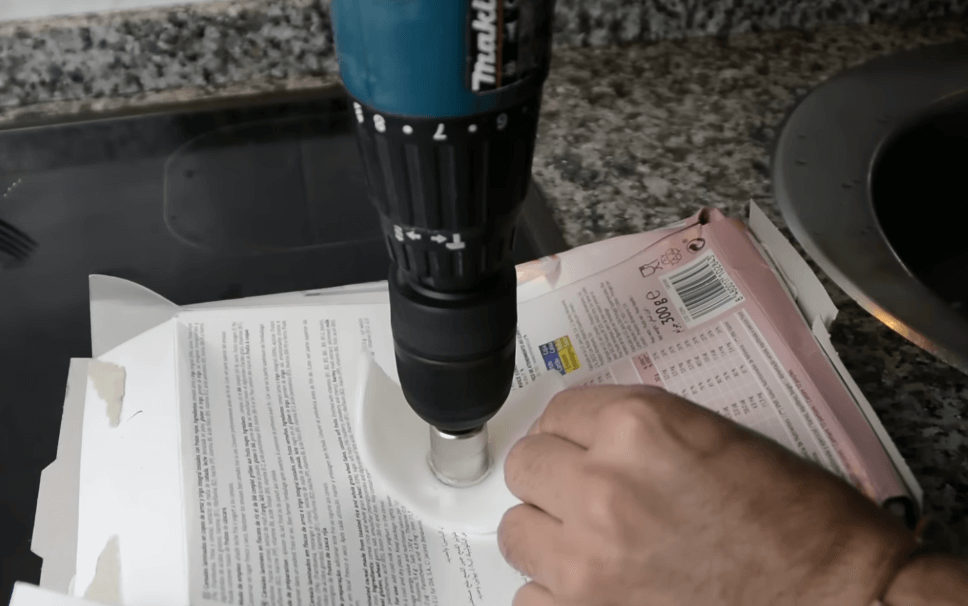
The best form of seal use is with rubber grommets that are specifically adapted for this purpose – I’m very much for 14mm double-sided rubber grommets for everyday downstems to ensure that the rubber just goes together for good into the hole you’ve drilled and creates a compressive seal that is watertight. Dip a small amount of dish soap on both the downstem and the grommet, lubricating the rubber and giving it space to slide into the bottom without causing undue force or damage. For more confidence, if your hole’s size isn’t exactly the way that it should be, a thin food-grade silicone sealant can fill in alongside the grommet. If you’ve alternative materials, such as a bent pen tube, you may need to use something more like wax, putty, or epoxy to seal the hole. Certified waterproof materials, such as JB Water Weld, will work better than standard epoxies. The seal should be beneath the waterline in order to ensure it works properly – fill the bong with water and see if there are any drips on the base of the hole around the connection between your water and the downstem.
Where should the carb hole be located on the bottle?
For bottle bongs, place the downstem hole next to the waterline for effective bubbling, while also placing the carb hole higher up — so that it appears to be higher than the water surface, to avoid water splashing out during the release. This arrangement eliminates the risk of any spillage or wet hits, as the carb at an upper vantage point facilitates fresh air entering and cleaning out of the chamber.
A preferred carb position is near the bottle shoulder, slightly offset to one side, which gives you one-handed operation of the product when the mouth engages the mouthpiece while one hand lights the bowl. This ergonomic spot removes awkwardly reaching, facilitating instant thumb release for an unambiguous hit without interfering with grip or balance. It makes long-term use easy with natural hand placement, especially for right-handed users, allowing the center or lower alternatives to be less comfortable and less accurate.
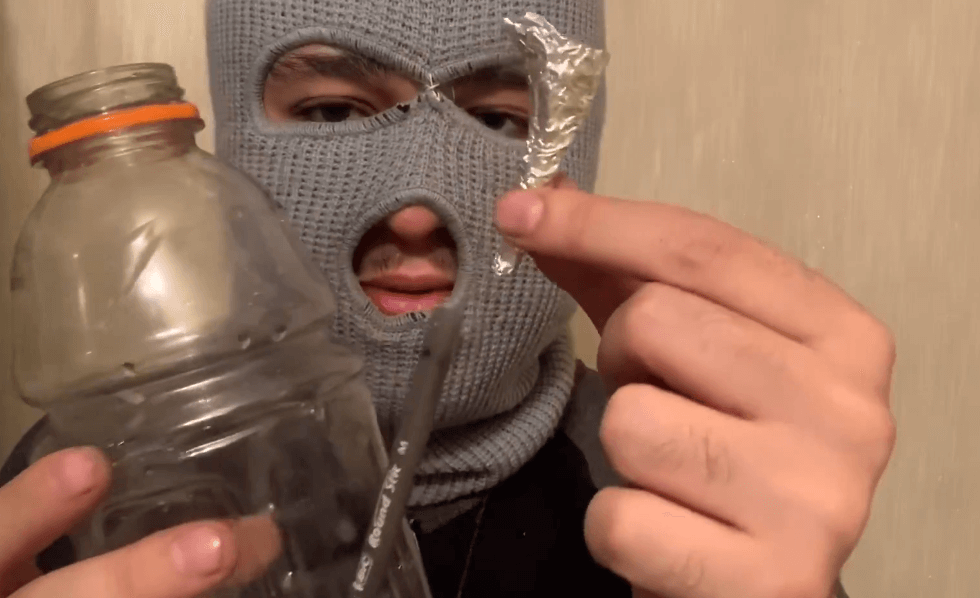
Final Check Mouthpiece Refinement
Once we’ve finished making everything, don’t forget the most important step: the original bottle neck often has sharp threads or overly rough plastic edges, which not only affects the user experience but may also scratch your lips.
When cutting there, start using a marker to carve a clean line just beneath the threads, then use a sharp utility knife or scissors to carefully slice along it, cutting out the threaded section completely. After cutting it, we can sand it smooth so that we don’t have to worry about getting scratched during use
Tape Wrapping for Soft Lip Guard
DIY consumers usually wrap the mouthpiece with electrical or cloth tape, applying finger pressure on 1-2 circles tightly to make a cushioned, slightly thickened “lip sleeve” that stays secure. Cover with a flat outer band to prevent water entry and the erosion resulting from peeling, giving instant comfort equal to high-grade glass with fewer tools. This reversible hack provides quick upgrades and sufficient durability after frequent use before reapplication.
Food-Grade Silicone Tube Upgrade
Alternatively, slit a food-grade silicone tube lengthwise and snap it over the rim like a thick glass bong lip, adding protective, heat-resistant padding that makes it stronger and more comfortable. Choose tubing having adequate inner diameter to ensure that it is snug, and no chemical leaching occurs during sessions.