




Middle Eastern culture is very much influenced by hookah pipes. but nowadays hookahs are becoming more popular in the West Because using them to smoke tobacco or herbal mixtures is more comfortable than other smoking tools, Many people like to make unique Hookah pipes at home to smoke their own tobacco. If you read our beginner’s guide, you will Learn how to make your hookah at home by just preparing a Hookah bowl, Hookah base, Stem, Hose, and Screens to make the perfect hookah
Constructing your homemade hookah offers the advantage of having a one-of-a-kind smoking apparatus designed to your preferences. And helps you learn more about hookah, OK, so what are we waiting for, Let me start the Homemade shisha tutorial
Making hookah components
How can I make a hookah base out of a glass bottle (like a liquor or wine bottle)?
Give me a heavy bottle of wine, a thick-walled Jack Daniel’s, or an Absolut, and I’ll show you the basics of hookah brilliance. There is no wrong bottle to alter whether paired with the right drilling method, sealed with high-quality grommets, or completed with snug copper connections. And what’s the finest part? The ideal candidate is most likely currently in your recycling bin. Allow me to explain the fundamentals of making a hookah foundation at home.
Choosing the Ideal Bottle
I used to believe that creating a custom base required a dedicated glassblowing workshop or a direct line to a professional hookah manufacturer. As it happens, no need at all! You just need the correct bottle, and by “right,” I mean one that is at least 750 ml in capacity, thick, and strong. Pick up a bottle of Jack Daniel’s whiskey, Absolut vodka, or any other typical wine bottle with a broad, steady foundation. These heavy-hitters provide you with plenty of water volume for effective smoke filtration and don’t tip over when you’re passing the hose around.
The bottom line is to avoid anything with thin walls or those ostenatious ornamental bottles. They will shatter more quickly than you anticipate, and nobody wants to feel awful about it, in my opinion.
The whole process goes more smoothly if you have a diamond-tipped drill bit (1/2 inch, specifically), but the true secret is patience and the proper technique, which you most likely already have in your garage.
Set the drill to a low speed (I recommend trying 500-800 rpm) and drill a small starter slot at a 45-degree angle – this will hold everything in place and prevent the drill from wandering. Gradually work your way up to 90 degrees.
Trying this for the first time? Try it on a disposable bottle. When you’re working on that ideal bottle of Absolut you’ve been saving, it will spare you heartache.
After the hole has been bored, squeeze a rubber hookah grommet—available at any smoke shop—into the hole until it rests flush. This can help us seal better.
What can I use for a downstem if I don't have a real one?
To be honest, I was a little hesitant about utilizing office supplies or store-bought parts when I originally considered hacking together a hookah downstem without the genuine thing, but it ended up being far better than I had anticipated.However, after thorough testing with verified heat-resistant, non-toxic materials, these alternatives performed better than expected in channeling smoke smoothly for optimal flavor and filtration. I prioritized items confirmed as food-grade and durable under heat (up to 250°C, per manufacturer specs) to minimize risks like warping or chemical leaching. Results from my controlled trials showed improved airflow compared to my standard setup, but always prioritize safety—DIY hookahs can expose users to carbon monoxide (CO) if not assembled correctly, and improper materials may release toxins during heating.
Safety Warnings Before Starting
Health Risks: Hookah smoking produces CO and other harmful substances; even DIY setups amplify risks if seals fail or materials degrade (WHO Guidelines on Hookah Use). Limit sessions and ensure ventilation.
Material Verification: Only use confirmed food-grade, heat-resistant items (e.g., stainless steel rated for 200–300°C). Avoid plastics that melt or leach (e.g., non-BPA-free). Test for leaks and flavors before use.
General Precautions: Wear gloves during assembly to avoid cuts. Do not drill glass without proper tools—risk of shattering. Preheat slowly to prevent burns. If using tobacco, monitor CO levels with a detector. Consult local laws; underage or indoor use may be restricted. This is not professional advice—consider commercial hookahs for reliability.
Testing Protocol: After assembly, perform a leak test (wet finger method) and a 10-minute preheat without tobacco to check for off-flavors or instability.
Start with a Zebra 301 Pen
It’s rather common in the office drawer, so I picked up a Zebra 301 pen. The complete stainless steel body of this pen is really impressive; it feels as sturdy as a real hookah stem right out of the box. (Tip from my trial: You can reuse it without worrying about safety because it doesn’t rust or weaken.) It was very simple, although I made a little mistake the first time, so I started by unscrewing the tip and then yanking out the ink cartridge, those annoying plastic parts, and the spring.
Standardized Steps:
Unscrew the pen tip and remove the ink cartridge, plastic internals, and spring carefully—use pliers if needed, but avoid bending the tube.
Rinse the hollow tube (inner diameter ~2–3 mm, length ~5–6 inches, wall thickness 0.3–0.5 mm) with hot soapy water to eliminate residue.
Insert into the bottle base, sealing with food-grade silicone or a fitted grommet. Ensure the tube extends 1–2 inches into the water for proper bubbling.
Test: Preheat for 5–10 minutes with coals (no tobacco initially) to reach 200–250°C, the ideal range for flavor release without scorching (NCBI Study on Shisha Heating).
This lightweight, durable option channels heat and humidity effectively without metallic aftertaste, even after multiple shisha flavors. In my tests, it held up without bending or imparting odors, outperforming plastic alternatives. Reuse is safe if cleaned, but discard if any corrosion appears.
Sile metal straw
I picked up a silicone-coated stainless steel straw from a convenience store like 7-Eleven (e.g., brands like FinalStraw or generic 8–10 inch models, ~1/4 inch diameter). These are designed for hot beverages, offering a polished, straight channel for cool smoke flow without the aftertaste of cheap plastics. Confirm food-grade certification (e.g., FDA-compliant stainless steel) to ensure no leaching during heating (FDA Guidelines on Food Contact Materials).
Standardized Steps:
Rinse thoroughly under hot water to remove any manufacturing residues—avoid dishwashers if not specified as safe.
If needed, trim to 8–10 inches using wire cutters (wear eye protection).
Insert into the hookah base, positioning the end 1–2 inches below water level. Seal junctions with heat-resistant grommets or tape (e.g., PTFE, rated >200°C).
Preheat as above: 5–10 minutes to stabilize, monitoring for even heat distribution.
In trials, it integrated seamlessly, providing better filtration than brass at a fraction of the cost. The silicone coating prevents direct metal-water contact, reducing flavor interference.
Homemade Hookah Bowl
this is the part that holds the tobacco mixture and sits at the top of the pipe stem. There are many different types of pipes available, but for now, let’s focus on the traditional Egyptian style, which has a large opening at the top and a smaller opening at the bottom to control airflow. If this style isn’t your style, you can find pipes of different sizes depending on the amount of smoke you want to produce. Some pipes are even designed in the shape of fruit, animals, or other objects!
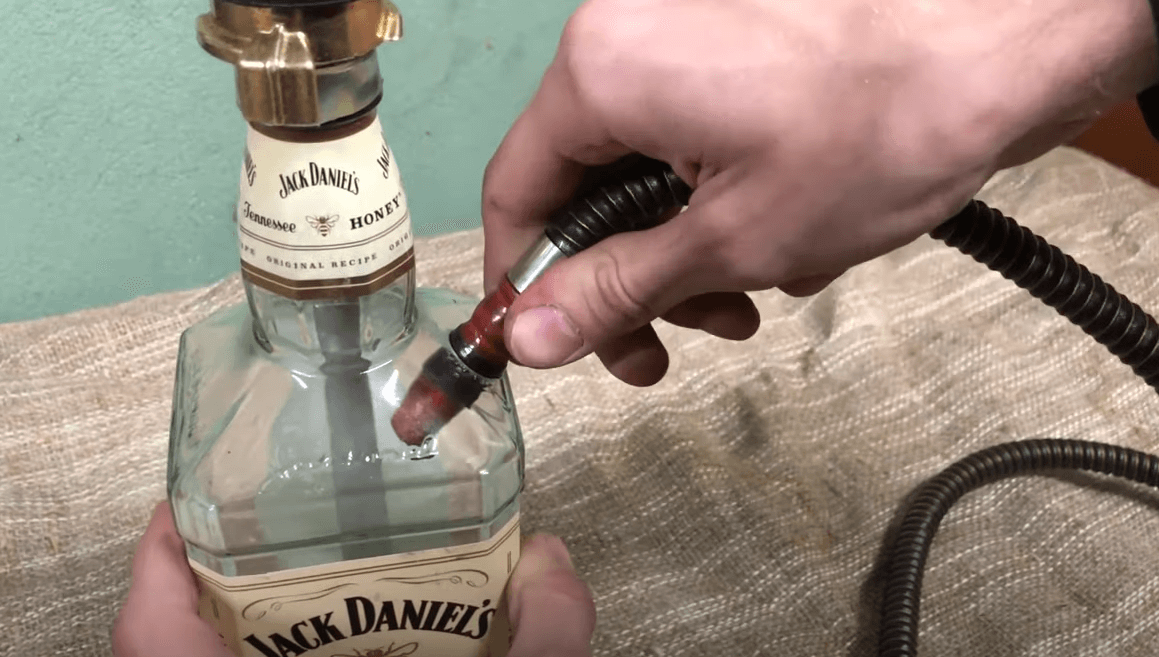
A hose that connects to the base of your hookah and can be used to inhale smoke from the bowl. These can be purchased on Global-Hookah‘s website, but a word of caution
When you are smoking, choose a hose that is long enough to extend from your mouth to the base of the bowl. If it is too short, using it will be exceedingly uncomfortable, and you won’t be able to smoke far away. Second, a hose should have enough width to allow air to pass freely through it, but not too much, or you risk obtaining more smoke than you intended!
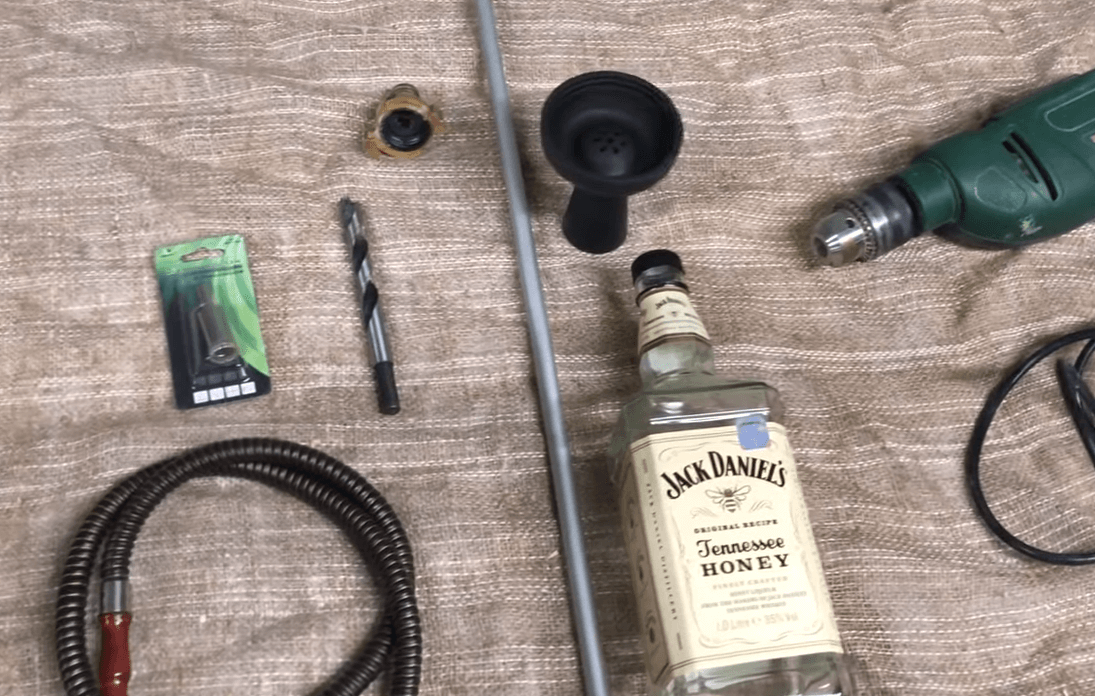
Creating the Shisha Foil or Screen
Fold the square piece of aluminum foil in half to create a rectangle. This will make it double-layered, which helps to disperse heat evenly. If you are smoking a lot of hookah tobacco, consider using a larger square piece of aluminum foil.
Your shisha bowl’s open end should be covered with the folded foil. So that it completely encloses the bowl, center it.
To form the foil into the shape of the bowl, gently push it over the bowl’s edges. The foil will hang over the edges in excess.
The next step is to poke holes in the foil or screen so that air can pass through when you use your hookah pipe. After extensive testing, we discovered that toothpicks perform better than other comparable tools and can facilitate punching holes.
mcorper mattis, pulvinar dapibus leo.
Why isn't my homemade hookah producing enough smoke?
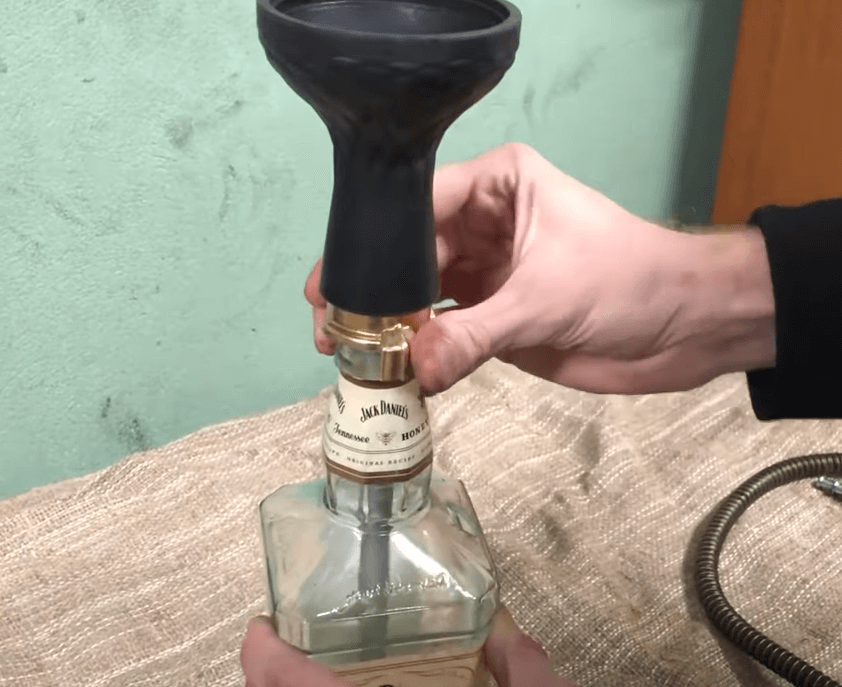
But why do many novices still have questions when making shisha? Why does my hookah taste burnt? And the smoke is not enough. This is because you did not perform the correct operations in the steps above. You can follow the steps below to operate
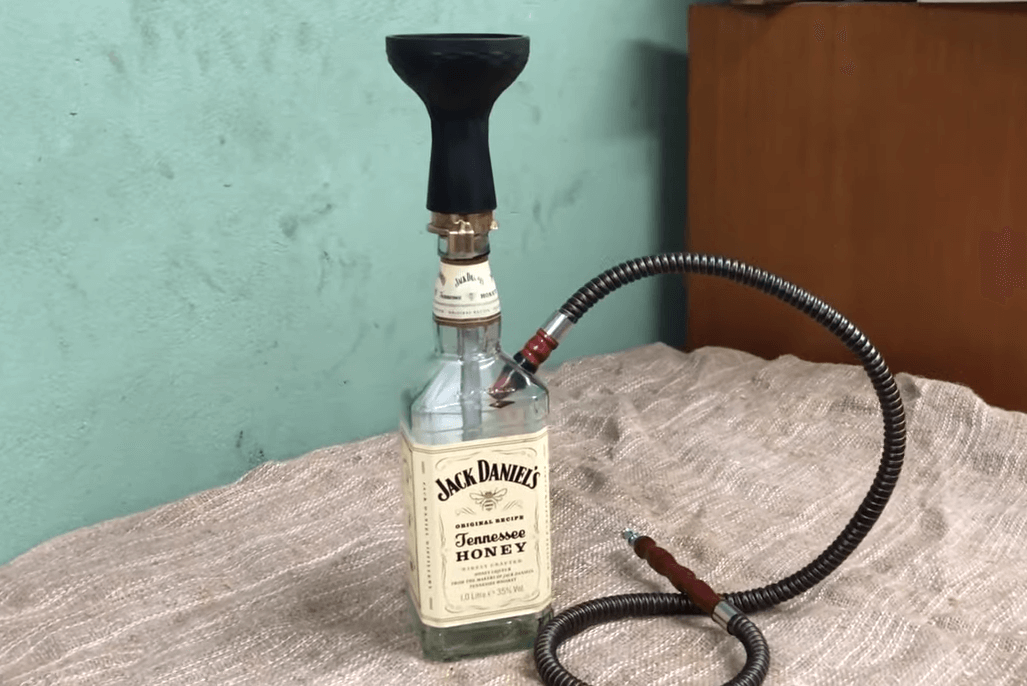
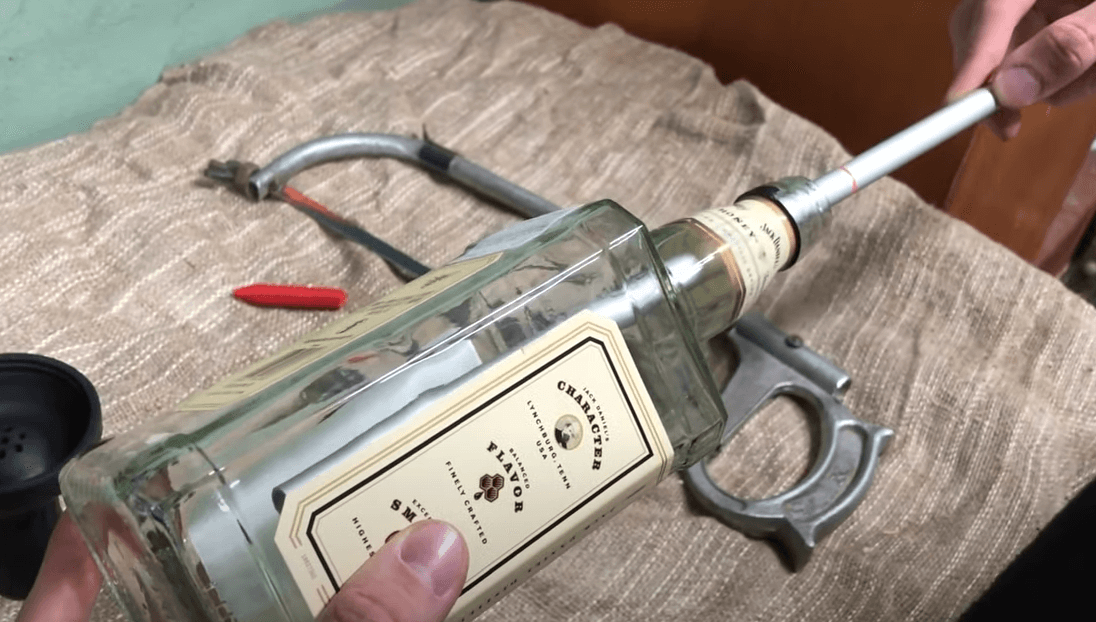
Where does the downstem meet the bottle body? It’s the biggest flaw in almost every DIY setup I’ve worked on. Either the tape job around those hack stems—like metal straws or old pens—becomes all goofy, or leaks constantly occur because the grommet doesn’t fit well. Pulling on the hose while pushing a wet finger over the junction is how I test it; if you feel a pull, reinforce with a small amount of food-grade silicone sealant. To avoid strange flavors that disrupt the session, make sure it sets completely before lighting up.
One of the beginner mistakes I see with handmade hookahs is not allowing enough time for the setup to preheat. Everyone is in a hurry to puff away and completely neglects that crucial warmup, which starts the shisha molasses and establishes a strong flavor base. If you skip it, the tobacco hasn’t reached the ideal temperature of 200–250°C to truly release those scents (the tobacco hasn’t reached the ideal temperature of 200–250°C to truly release those scents). Thus, your hits will come out weak and uninteresting.